Find out about the newest advancements in paver sealing products and application methods for patios, walkways, and driveways across Nassau and Suffolk County, NY.
Share:
Summary:
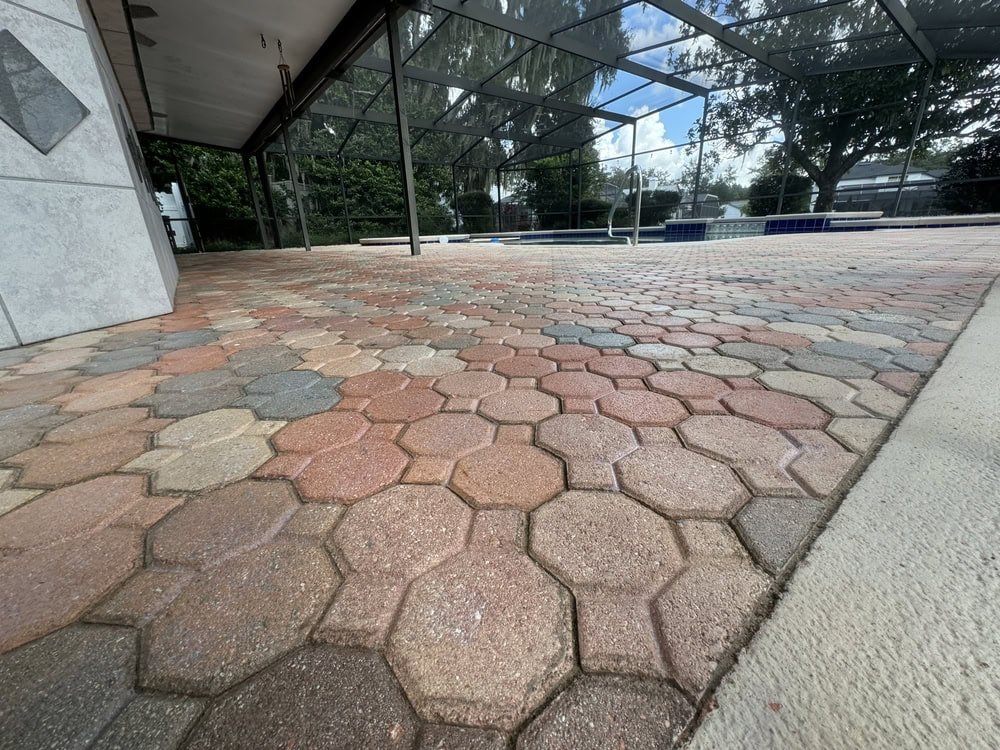
The paver sealing market continually introduces formulations aimed at offering longer life and improved protective qualities. One noticeable trend is the refinement of water-based sealers. These options often have lower volatile organic compounds (VOCs) compared to some solvent-based predecessors, making them a more environmentally considerate choice with less odor during application. They form a protective film that helps resist UV degradation, water intrusion, and common stains from spills or organic matter. Another area of development involves penetrating sealers using nanotechnology. These products work by soaking deeper into the paver substrate, creating a barrier within the material itself rather than just on the surface. This often results in protection that doesn’t significantly alter the paver’s original color or texture, offering a more natural look alongside durability, a sought-after feature for patio paver sealing.
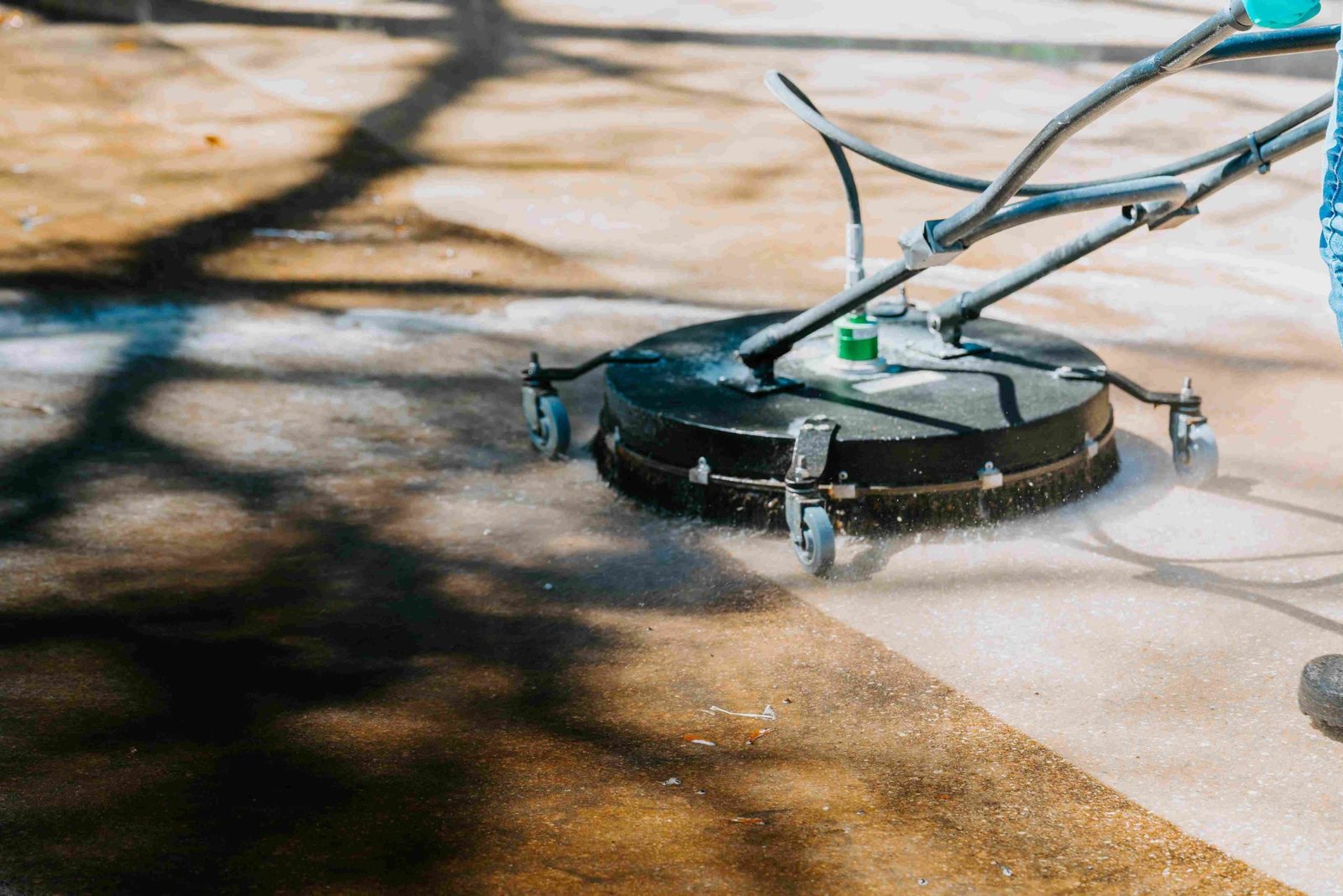
A durable seal starts with meticulous prep. Before applying sealant, pavers must be deeply cleaned to ensure proper bonding. Calibrated pressure washing removes grime and buildup without harming the surface. For stubborn stains like oil or rust, specialized cleaners outperform basic washing. Taking these steps ensures the sealant penetrates evenly and lasts longer.
Achieving a lasting seal on walkway pavers starts long before the sealant is applied. Preparation techniques have also seen improvements. Thorough cleaning is paramount because sealers need a clean, porous surface to bond correctly. Using pressure washers calibrated to the appropriate PSI for the specific paver type helps remove ingrained dirt, algae, or efflorescence without damaging the pavers. Specialized cleaning agents designed to tackle specific issues like rust stains or oil spots are also available, preparing the surface more effectively than general washing alone. Proper preparation makes the subsequent sealing walkway pavers process more successful.
Want live answers?
Connect with a Practical Exterior Maintenance expert for fast, friendly support.
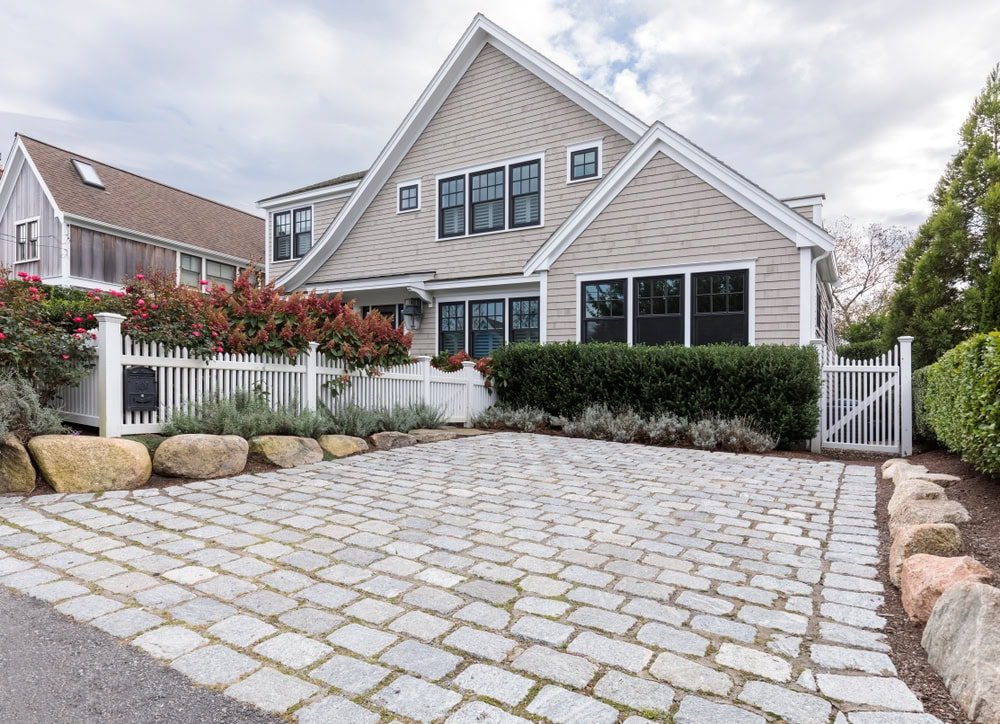
Sealing natural stone pavers requires specific consideration because stones like travertine, bluestone, or granite have varying porosity. A significant innovation is the increased availability of ‘breathable’ sealers. These are typically penetrating sealers (like silane/siloxane types) that allow moisture vapor from within the stone or ground beneath to escape while still preventing liquid water (like rain or spills) from soaking in. This breathability is important in climates like Nassau and Suffolk County, reducing the risk of issues like spalling caused by freeze-thaw cycles where trapped moisture expands. These advanced options help maintain the stone’s inherent beauty while providing necessary protection when sealing natural stone pavers.
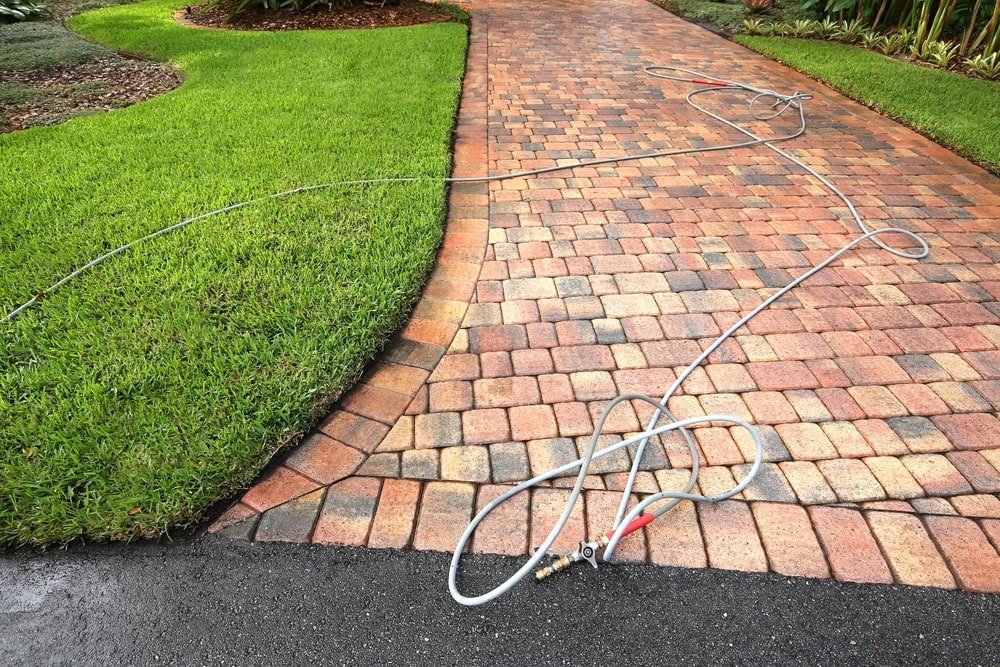
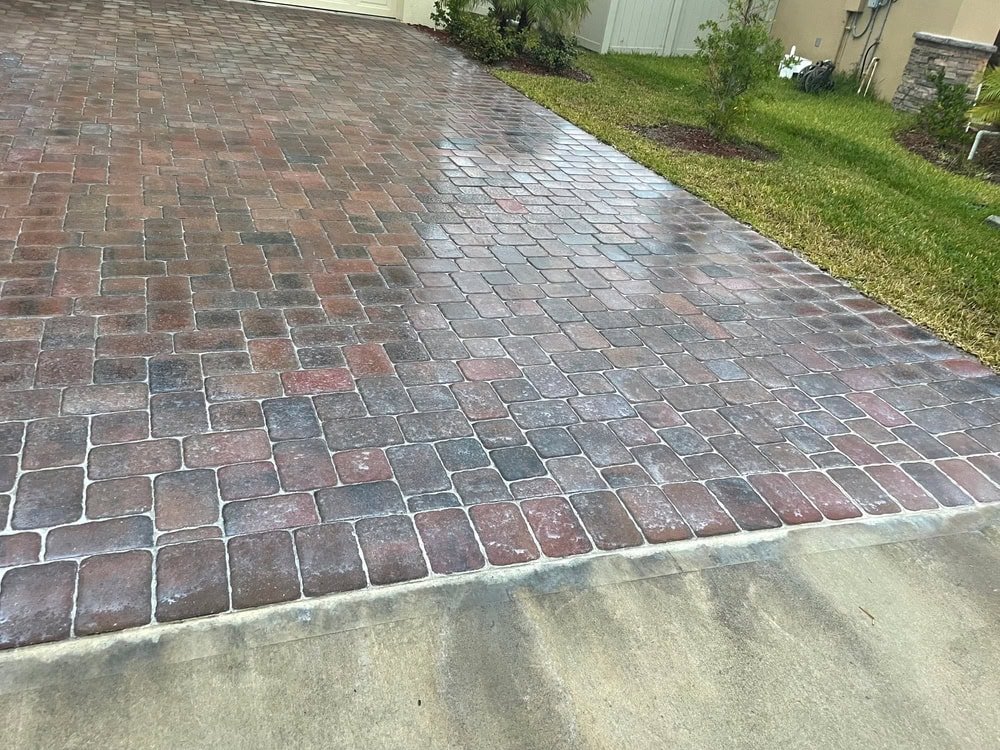
Driveways face demanding conditions, including vehicle weight and exposure to chemicals like de-icing salts. Modern approaches to sealing driveway pavers often integrate joint stabilization as part of the process. Using high-quality polymeric sand swept into the paver joints before sealing is a key technique. Newer polymeric sands offer improved flexibility, stronger bonding, and better resistance to washout from rain or cleaning. This helps lock pavers together, prevents weed growth from the joints, and deters ants. Combining proper joint stabilization with a durable surface sealer provides a more complete protective system for driveways. This integrated approach improves the overall performance beyond just surface coating.
With various products available, selecting the most suitable sealer involves matching the formulation to your specific pavers and goals. Consider the type of paver (brick, concrete, natural stone), its location (patio, walkway, driveway), and the desired final appearance (natural, color-enhanced, matte, gloss). For patio paver sealing, appearance and stain resistance might be top priorities. For sealing walkway pavers, good traction could be a factor. Consulting with experienced professionals, such as the team at Practical Exterior Maintenance, can clarify the options and help you select a product and technique appropriate for your Nassau or Suffolk County property.
The field of paver care is advancing, offering homeowners better ways to protect and maintain their outdoor investments. From sophisticated water-based and nano-sealers to improved joint stabilization techniques, these innovations contribute to longer-lasting beauty and function for patios, walkways, and driveways. Understanding these newer options helps you make informed choices. To explore the best patio paver sealing solutions for your specific needs in Nassau and Suffolk County, NY, reach out to Practical Exterior Maintenance for professional advice and application services today. [END]
Article details:
Share:
Continue learning: