Keep your pavers looking great in Nassau & Suffolk County with paver maintenance tips beyond sealing, including cleaning and restoration.
Share:
Summary:
Applying a paver sealant is a common step in protecting various paver types, including brick, concrete, and natural stone. A quality sealant forms a protective layer, reducing the penetration of water, oils, de-icing salts, and hindering weed growth in joints. This protection is particularly helpful in Nassau and Suffolk County, where fluctuating weather, including freeze-thaw cycles, can affect exterior surfaces. Sealing pavers, including driveway paver sealing, helps preserve color and can make cleaning easier. Still, sealing is most effective when part of a broader paver maintenance plan. It’s one component, not the entire strategy, for keeping pavers sound and visually appealing over the years.
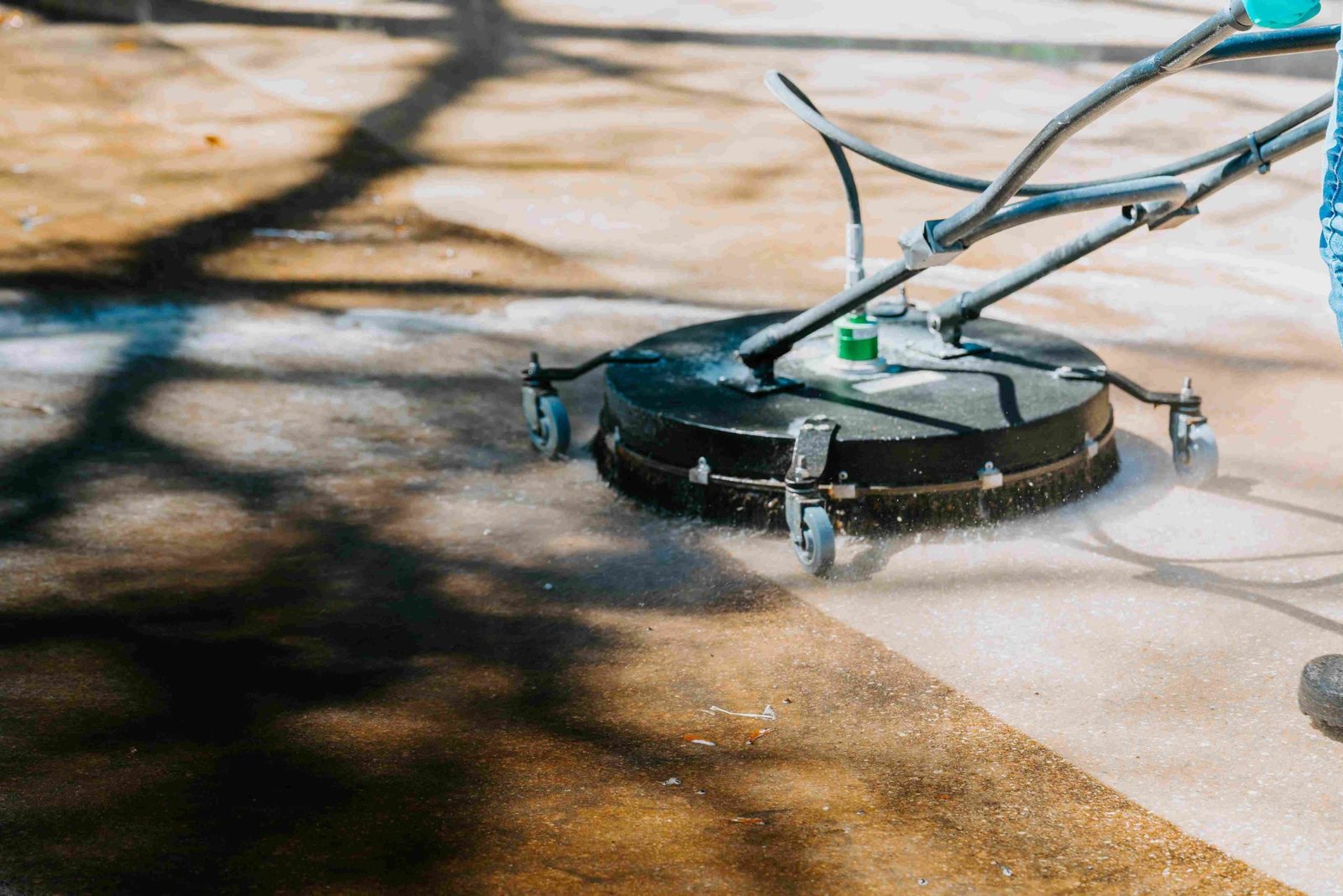
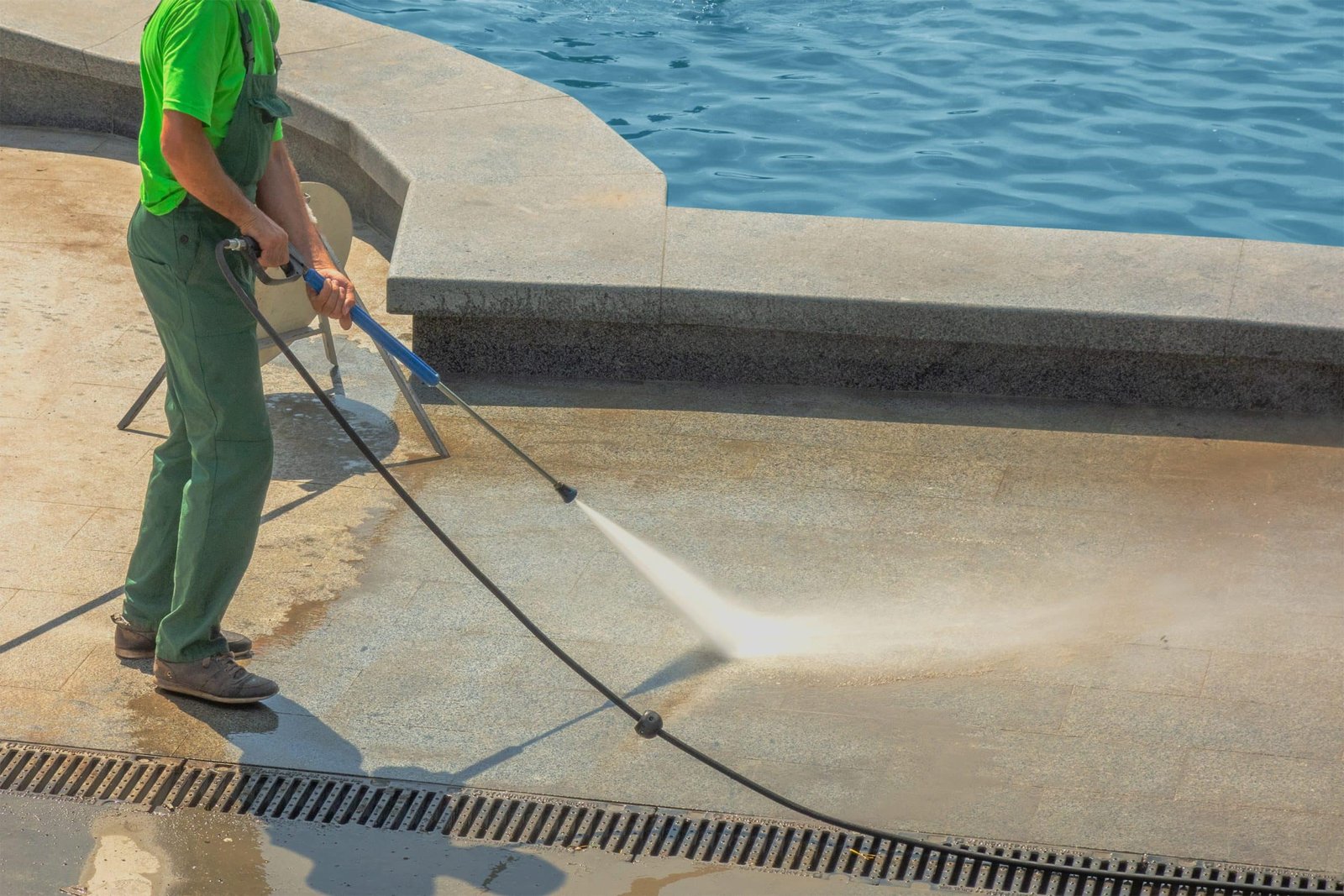
Routine paver cleaning is essential for long-term durability and visual appeal. Over time, dirt, pollen, leaves, and organic growth like moss or algae can accumulate especially in shaded or damp areas. The right paver cleaner, tailored to your surface type and level of buildup, helps lift contaminants effectively. Follow with gentle pressure washing to remove loosened debris. Performing this maintenance seasonally prevents deep staining, slippery surfaces, and damage caused by growth. It also ensures the pavers are properly prepped if you plan to reapply sealant.
Consistent cleaning is fundamental to maintaining pavers. Over time, surfaces collect dirt, pollen, leaves, and sometimes develop organic growth like moss or algae, especially in damp or shaded spots. Using an appropriate paver cleaner, chosen based on the paver material and type of grime, lifts these contaminants. Gentle pressure washing can rinse away loosened debris. This routine cleaning, perhaps seasonally, prevents dirt from becoming deeply ingrained and stops organic growth from making surfaces slippery or causing stains. Regular cleaning within your paver maintenance schedule also prepares the surface effectively if you plan on reapplying a paver sealant.
Want live answers?
Connect with a Practical Exterior Maintenance expert for fast, friendly support.
Beyond scheduled cleaning and potential restoration, simple paver care habits contribute significantly to maintaining pavers. Firstly, conduct periodic visual checks. Look for any loose pavers, widening joints, or surface stains that need attention. Addressing small issues early prevents them from becoming larger problems. Secondly, clean up spills like oil, grease, or food promptly using a suitable paver cleaner to avoid deep staining. Thirdly, check that water drains away properly from paved areas; standing water can degrade joint sand and seep beneath pavers. Finally, using plastic glides under heavy patio furniture can help prevent scratches on the paver surface during movement. Incorporating these habits into your routine is straightforward paver maintenance.
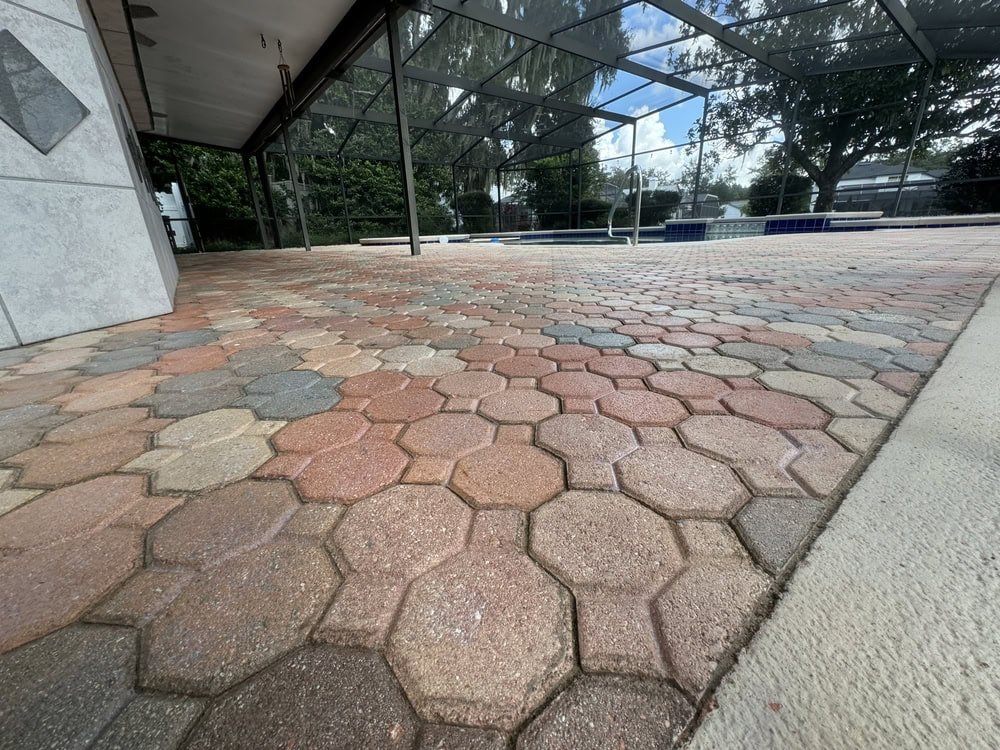
Brick pavers possess a classic charm but are quite porous, readily absorbing moisture. Brick paver sealing helps reduce water absorption, which is vital for preventing spalling (surface flaking) caused by freeze-thaw cycles in New York winters. Before sealing, thorough cleaning is necessary to remove any dirt or efflorescence (white, powdery salt deposits). Sealant choice matters; film-forming acrylic sealants offer a protective surface layer, often with a slight sheen, while penetrating siloxane sealants soak into the brick itself, offering protection without changing the appearance significantly. Application usually involves a pump sprayer or roller, applied evenly according to manufacturer directions for optimal paver maintenance.
Concrete paver sealing also helps protect against stains and weather. Some sealants for concrete aim to prevent efflorescence from occurring. Options range from penetrating sealants that don’t alter the look much to topical coatings that can add a matte, satin, or gloss finish, sometimes darkening the color (‘wet look’). Natural stone paver sealing often prioritizes preserving the stone’s inherent beauty. Penetrating sealants are frequently preferred because they protect from within without forming a surface film, allowing the stone to breathe and maintaining its natural texture. Testing the paver sealant on an inconspicuous area first is always a prudent step for both concrete and natural stone paver maintenance.
In conclusion, effective paver maintenance involves a combination of strategies tailored to your specific needs in Nassau and Suffolk County, NY. While paver sealing provides valuable protection, incorporating regular cleaning with appropriate paver cleaner products, undertaking paver restoration when needed (including joint stabilization), and adopting sound paver care habits collectively contribute to the lasting appeal and function of your outdoor surfaces. Thinking about the full picture of maintaining pavers protects your investment. If you need assistance with any aspect of paver maintenance, Practical Exterior Maintenance is ready to help. Contact us today to discuss keeping your paved areas attractive and durable.
Article details:
Share:
Continue learning: